2017年11月12日星期日
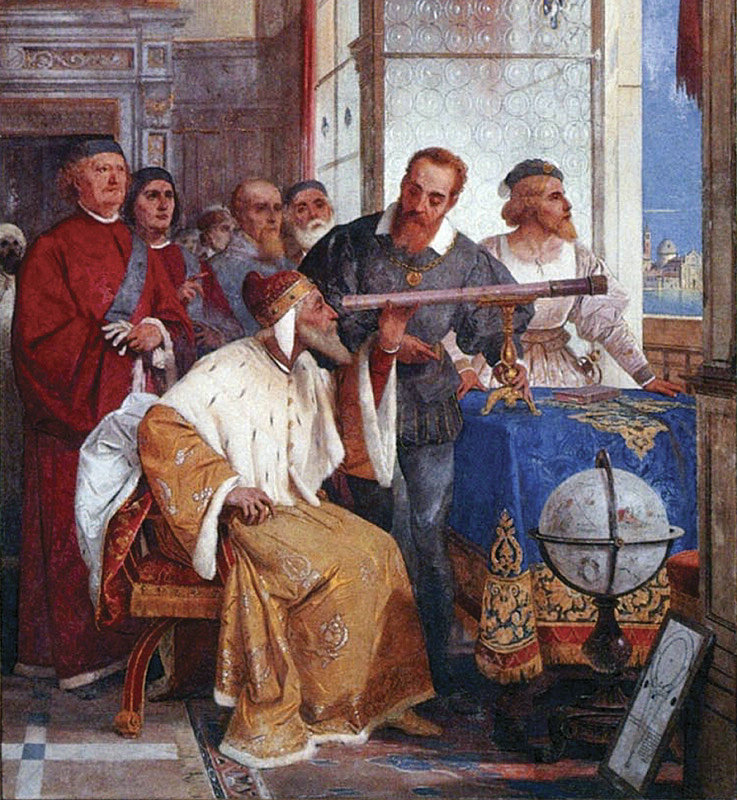
Galileo Galilei Astronomy revolution, From San Marco to the Moon, Italian Youth Committee UNESCO

2017年10月17日星期二
Pienza, The first Ideal City becomes real, Italian Youth Committee UNESCO

An ideal city is the concept of a plan for a city that has been conceived in accordance with the dictates of some "rational" or "moral" objective.
How Pienza city centre started a urban approach used in modern cities
The "ideal" nature of such a city may encompass the moral, spiritual and juridical qualities of citizenship as well as the ways in which these are realised through urban structures including buildings, street layout, etc. The ground plans of ideal cities are often based on grids (in imitation of Roman town planning) or other geometrical patterns. The ideal city is often an attempt to deploy Utopian ideals at the local level of urban configuration and living space and amenity rather than at the culture- or civilisation-wide level of the classical Utopias such as St Thomas More's.
The ideal city attributed to Luciano Laurana or Melozzo da Forlì.
Several attempts to develop ideal city plans are known from the Renaissance, and appear from the second half of the fifteenth century. The concept dates at least from the period of Plato, whose Republic is a philosophical exploration of the notion of the 'ideal city'. The nobility of the Renaissance, seeking to imitate the qualities of Classical civilisation, sometimes sought to construct such ideal cities either in reality or notionally through a reformation of manners and culture.
That of an “ideal city” is a concept conceived during the Italian Renaissance, in accordance with the dictates of a rational objective. This concept is deeply rooted in the so-called Umanesimo [Renaissance Humanism], a system focusing on humans and their values, capacities, and worth which represented a cultural, social and artistic revolution. In this context the human being at the centre of this system, while the environment in which he lived underwent a revolution too. For the first time the idea of an ideal city came to its definitive design—casting its huge influence on contemporary urban planning.
[pt_view id="13bfa99893"]
The ideal Renaissance town was a symmetric, harmonic settlement built around a central square, similar to that depicted in the anonymous painting The Ideal City.
Piazza Pio II An ideal model of life and government
From the main square, the entire urban tissue developed, with its regular geography aimed at making life easy and harmonious, conceived to maximise the interactions and the happiness of its inhabitants. This eventually came to embody a model of ideal living and government based on the concept of a self-sufficient, peaceful and hardworking population.
The concept of the Ideal City after Pienza
After Pienza, the very idea that a city should reflect some “golden standards”, matching perfectly its territory and time has become a founding principle in the architectural thinking. The quest for efficient, organized and well functioning cities continued through the ages with many great modern and contemporary architects all over the world and through the ages.
Examples of the ideal cities include Filarete's "Sforzinda", a description of which was included in his Trattato di Architettura (c. 1465). The city of Sforzinda was laid out within an eight-pointed star inscribed within a circular moat. Further examples may have been intended to have been read into the so-called "Urbino" and "Baltimore" panels (second half of the fifteenth century), which show Classically influenced architecture disposed in logically planned piazzas. The cities of Nicosia and Valletta, whose fortifications were built in the 1560s by the Republic of Venice and Order of St. John respectively, are considered to be practical examples of the concept of the ideal city. Other notable example of the concept is Zamość in eastern Poland founded in the late 16th century, modelled by the Italian architect Bernardo Morando.
James Oglethorpe synthesized Classical and Renaissance concepts of the ideal city with new Enlightenment ideals of scientific planning, harmony in design, and social equality in his plan for the Province of Carolina. The physical design component of the famous Oglethorpe Plan remains preserved in the Savannah Historic District.
Late nineteenth-century examples of the ideal city include the Garden city movement of Sir Ebenezer Howard, realised at Letchworth Garden City and Welwyn Garden City in England. Poundbury, Prince Charles' architectural vision established in Dorset, is among the most recent examples of ideal city planning.
Youth Committee of the Italian National Commission for UNESCO
https://hisour.com/story/pienza-first-ideal-city-becomes-real-italian-youth-committee-unesco/
2017年10月13日星期五
Starzec i dziewczyna by Teodor Axentowicz

Teodor Axentowicz painted many realistic genre scenes in the Polish countryside. He became a portrait painter, in a style strongly influenced by impressionism, symbolism and Art Nouveau style.
Teodor Axentowicz
Title: Old man and girl
Description
Starzec i dziewczyna
Date 1895
Okręgowe Museum in Lublin
Teodor Axentowicz
May 13, 1859 - Aug 26, 1938
Teodor Axentowicz was a Polish-Armenian painter and university professor. He was a portraist,also dealt with illustrative graphics and poster design while worked as an illustrator in magazines and made copies of paintings by former masters, among others. Axentowicz was famous for his portraits and subtle scenes of Hutsul life, set in the Carpathians. He was also the rector of the Academy of Fine Arts in Kraków.
Between 1879 and 1882 he studied at the Academy of Fine Arts in Munich. From there he moved to Paris, where he was a student of Carolus-Duran and continued his education until 1895. During that time he started a long-time cooperation with various journals and started his career as a copyist, duplicating the works of Tizian and Botticelli for Le Monde illustré. He also made numerous travels to London and Rome, where he prepared a set of portraits, one of the first in his career.
[pt_view id="e6abd99teh"]
In the years 1890-1899 he made many trips to London and Rome, where he painted portraits of women and the Polish aristocracy. In 1894 he started collaboration with Wojciech Kossak and Jan Styka during the preparation of the Racławice Panorama, one of the largest panoramic paintings in the history of Polish art. The following year he moved to Kraków, where he became a professor at the local Academy of Fine Arts. He was also active in the local society and cooperated with various societies devoted to propagation of arts and crafts. In 1897 he founded an artistic conservatory for women and soon afterwards became one of the founders of the Sztuka society.
In 1904 at the St. Louis World's Fair, Axentowicz received a Special Commemorative Award in recognition of distinguished service in connection with various national sections of the Department of Art. In 1910 he became the rector of the Academy and since 1928 was also an honorary member of the Zachęta Society. While in Paris, he received the prestigious title of Officier d'Académie Ordre des Palmes Académiques and Member of Académie des Beaux-Arts.
He was awarded many gold metals at both national and international exhibitions. Throughout his life he had numerous exhibitions, both in Poland and abroad. In addition to Society of Polish Artists "Sztuka", he was also a member of Hagenbund and a founding member of the Vienna Secession.
https://hisour.com/art-medium/crayon-pastel/starzec-dziewczyna-teodor-axentowicz/
Pod brzemieniem nieszczęścia by Teodor Axentowicz

Women mourning and crying sadly in the suburbs. The family of the deceased is usually composed of condolences, which is expressed in solemn words of compassion and sorrow over the death of their loved ones.
Teodor Axentowicz
Title: Under the burden of adversity
Description
Date before 1938
Source Lwowska Galeria Obrazów, Warsaw
Teodor Axentowicz
May 13, 1859 - Aug 26, 1938
Teodor Axentowicz was a Polish-Armenian painter and university professor. He was a portraist,also dealt with illustrative graphics and poster design while worked as an illustrator in magazines and made copies of paintings by former masters, among others. Axentowicz was famous for his portraits and subtle scenes of Hutsul life, set in the Carpathians. He was also the rector of the Academy of Fine Arts in Kraków.
Between 1879 and 1882 he studied at the Academy of Fine Arts in Munich. From there he moved to Paris, where he was a student of Carolus-Duran and continued his education until 1895. During that time he started a long-time cooperation with various journals and started his career as a copyist, duplicating the works of Tizian and Botticelli for Le Monde illustré. He also made numerous travels to London and Rome, where he prepared a set of portraits, one of the first in his career.
[pt_view id="e6abd99teh"]
In the years 1890-1899 he made many trips to London and Rome, where he painted portraits of women and the Polish aristocracy. In 1894 he started collaboration with Wojciech Kossak and Jan Styka during the preparation of the Racławice Panorama, one of the largest panoramic paintings in the history of Polish art. The following year he moved to Kraków, where he became a professor at the local Academy of Fine Arts. He was also active in the local society and cooperated with various societies devoted to propagation of arts and crafts. In 1897 he founded an artistic conservatory for women and soon afterwards became one of the founders of the Sztuka society.
In 1904 at the St. Louis World's Fair, Axentowicz received a Special Commemorative Award in recognition of distinguished service in connection with various national sections of the Department of Art. In 1910 he became the rector of the Academy and since 1928 was also an honorary member of the Zachęta Society. While in Paris, he received the prestigious title of Officier d'Académie Ordre des Palmes Académiques and Member of Académie des Beaux-Arts.
He was awarded many gold metals at both national and international exhibitions. Throughout his life he had numerous exhibitions, both in Poland and abroad. In addition to Society of Polish Artists "Sztuka", he was also a member of Hagenbund and a founding member of the Vienna Secession.
https://hisour.com/art-medium/crayon-pastel/pod-brzemieniem-nieszczescia-teodor-axentowicz/
Kobieta z dzbanem Smutek by Teodor Axentowicz

A long hair lady, holding a bottle in her hand. She wore a black dress, wearing a black veil on her head, could have hinted at losing important people. Expressed in the portrait, a person experiencing sadness may become silent or lethargic.
Teodor Axentowicz
Title: Woman with a pitcher (Sadness)
Description
Polski: Kobieta z dzbanem (Smutek)
Date circa 1904
Medium pastel and watercolor on paper
Dimensions 96.5 × 66 cm (38 × 26 in)
Teodor Axentowicz
May 13, 1859 - Aug 26, 1938
Teodor Axentowicz was a Polish-Armenian painter and university professor. He was a portraist,also dealt with illustrative graphics and poster design while worked as an illustrator in magazines and made copies of paintings by former masters, among others. Axentowicz was famous for his portraits and subtle scenes of Hutsul life, set in the Carpathians. He was also the rector of the Academy of Fine Arts in Kraków.
Between 1879 and 1882 he studied at the Academy of Fine Arts in Munich. From there he moved to Paris, where he was a student of Carolus-Duran and continued his education until 1895. During that time he started a long-time cooperation with various journals and started his career as a copyist, duplicating the works of Tizian and Botticelli for Le Monde illustré. He also made numerous travels to London and Rome, where he prepared a set of portraits, one of the first in his career.
[pt_view id="e6abd99teh"]
In the years 1890-1899 he made many trips to London and Rome, where he painted portraits of women and the Polish aristocracy. In 1894 he started collaboration with Wojciech Kossak and Jan Styka during the preparation of the Racławice Panorama, one of the largest panoramic paintings in the history of Polish art. The following year he moved to Kraków, where he became a professor at the local Academy of Fine Arts. He was also active in the local society and cooperated with various societies devoted to propagation of arts and crafts. In 1897 he founded an artistic conservatory for women and soon afterwards became one of the founders of the Sztuka society.
In 1904 at the St. Louis World's Fair, Axentowicz received a Special Commemorative Award in recognition of distinguished service in connection with various national sections of the Department of Art. In 1910 he became the rector of the Academy and since 1928 was also an honorary member of the Zachęta Society. While in Paris, he received the prestigious title of Officier d'Académie Ordre des Palmes Académiques and Member of Académie des Beaux-Arts.
He was awarded many gold metals at both national and international exhibitions. Throughout his life he had numerous exhibitions, both in Poland and abroad. In addition to Society of Polish Artists "Sztuka", he was also a member of Hagenbund and a founding member of the Vienna Secession.
https://hisour.com/art-medium/crayon-pastel/kobieta-z-dzbanem-smutek-teodor-axentowicz/
Biała róża by Teodor Axentowicz
A girl with wavy hair, wearing a short-sleeved velvet Dress, holding a white rose in her hand.
Teodor Axentowicz moved on to the creation of portraits. Renowned as a portrait of young and fragile, attractive women, most of which are created in the technique of pastels.
Teodor Axentowicz
Title: White Rose
Description
Polski: Biała róża
Date circa 1930
Teodor Axentowicz
May 13, 1859 - Aug 26, 1938
Teodor Axentowicz was a Polish-Armenian painter and university professor. He was a portraist,also dealt with illustrative graphics and poster design while worked as an illustrator in magazines and made copies of paintings by former masters, among others. Axentowicz was famous for his portraits and subtle scenes of Hutsul life, set in the Carpathians. He was also the rector of the Academy of Fine Arts in Kraków.
Between 1879 and 1882 he studied at the Academy of Fine Arts in Munich. From there he moved to Paris, where he was a student of Carolus-Duran and continued his education until 1895. During that time he started a long-time cooperation with various journals and started his career as a copyist, duplicating the works of Tizian and Botticelli for Le Monde illustré. He also made numerous travels to London and Rome, where he prepared a set of portraits, one of the first in his career.
[pt_view id="e6abd99teh"]
In the years 1890-1899 he made many trips to London and Rome, where he painted portraits of women and the Polish aristocracy. In 1894 he started collaboration with Wojciech Kossak and Jan Styka during the preparation of the Racławice Panorama, one of the largest panoramic paintings in the history of Polish art. The following year he moved to Kraków, where he became a professor at the local Academy of Fine Arts. He was also active in the local society and cooperated with various societies devoted to propagation of arts and crafts. In 1897 he founded an artistic conservatory for women and soon afterwards became one of the founders of the Sztuka society.
In 1904 at the St. Louis World's Fair, Axentowicz received a Special Commemorative Award in recognition of distinguished service in connection with various national sections of the Department of Art. In 1910 he became the rector of the Academy and since 1928 was also an honorary member of the Zachęta Society. While in Paris, he received the prestigious title of Officier d'Académie Ordre des Palmes Académiques and Member of Académie des Beaux-Arts.
He was awarded many gold metals at both national and international exhibitions. Throughout his life he had numerous exhibitions, both in Poland and abroad. In addition to Society of Polish Artists "Sztuka", he was also a member of Hagenbund and a founding member of the Vienna Secession.
https://hisour.com/art-medium/crayon-pastel/biala-roza-teodor-axentowicz/
Dziewczyna z gromnicą by Teodor Axentowicz

Gromniczną in Polish Catholic tradition it is celebrated as the feast of Our Lady of Gromnics. Beginning in the 9th century, the faithful on this day bring candles to the church called blessings. Procession with burning candles at the beginning of the liturgy is a sign of a new walk through life in union with Jesus and the glow of his gospel.
Gromnica (Our Lady of the Gospic), drawing by Michał Andriolli showing the burning of the cross sign on the porter (beam) hut on the day of Our Lady of Gromnity.
Teodor Axentowicz
Title: Girl with a Candle
Русский: Девочка с громничной свечой
Polski: Dziewczyna z gromnicą
Object type Painting
Date Undated
Dimensions Height: 320 mm (12.6 in). Width: 240 mm (9.45 in).
Current location
Museum of Art in Łódź
Teodor Axentowicz
May 13, 1859 - Aug 26, 1938
Teodor Axentowicz was a Polish-Armenian painter and university professor. He was a portraist,also dealt with illustrative graphics and poster design while worked as an illustrator in magazines and made copies of paintings by former masters, among others. Axentowicz was famous for his portraits and subtle scenes of Hutsul life, set in the Carpathians. He was also the rector of the Academy of Fine Arts in Kraków.
Between 1879 and 1882 he studied at the Academy of Fine Arts in Munich. From there he moved to Paris, where he was a student of Carolus-Duran and continued his education until 1895. During that time he started a long-time cooperation with various journals and started his career as a copyist, duplicating the works of Tizian and Botticelli for Le Monde illustré. He also made numerous travels to London and Rome, where he prepared a set of portraits, one of the first in his career.
[pt_view id="e6abd99teh"]
In the years 1890-1899 he made many trips to London and Rome, where he painted portraits of women and the Polish aristocracy. In 1894 he started collaboration with Wojciech Kossak and Jan Styka during the preparation of the Racławice Panorama, one of the largest panoramic paintings in the history of Polish art. The following year he moved to Kraków, where he became a professor at the local Academy of Fine Arts. He was also active in the local society and cooperated with various societies devoted to propagation of arts and crafts. In 1897 he founded an artistic conservatory for women and soon afterwards became one of the founders of the Sztuka society.
In 1904 at the St. Louis World's Fair, Axentowicz received a Special Commemorative Award in recognition of distinguished service in connection with various national sections of the Department of Art. In 1910 he became the rector of the Academy and since 1928 was also an honorary member of the Zachęta Society. While in Paris, he received the prestigious title of Officier d'Académie Ordre des Palmes Académiques and Member of Académie des Beaux-Arts.
He was awarded many gold metals at both national and international exhibitions. Throughout his life he had numerous exhibitions, both in Poland and abroad. In addition to Society of Polish Artists "Sztuka", he was also a member of Hagenbund and a founding member of the Vienna Secession.
https://hisour.com/art-medium/paintings/dziewczyna-z-gromnica-teodor-axentowicz/
订阅:
博文 (Atom)